
Expat health in the Netherlands often suffers in the first months or years after the move, because several changes hit the body at once: relocation stress, a new diet and eating rhythm, less daylight, disturbed sleep and sometimes a stomach infection picked up while travelling. Tests at the GP are often normal, yet you do not feel like yourself. This is common, it is real, and in most cases it can be improved.
Maybe you never had gut problems at home, and now you are bloated after every lunch. Maybe you are tired all the time, sleep badly in the dark winter months, or your cycle has changed since the move. At Mesology Amsterdam a large part of my clients are expats, and I hear the same story almost every week.
Key takeaways
- Expat health in the Netherlands is usually affected by several causes at once, not one single problem.
- About 1 in 10 people develops irritable bowel syndrome (IBS) in the year after a gut infection, a common souvenir of travelling.
- The Dutch Health Council advises extra vitamin D for groups who get too little sunlight, which includes many expats.
- Dutch GP consultations are short and focus on ruling out disease, so “your tests are normal” does not mean you have to keep feeling unwell.
- An integrative approach looks at the whole picture and works alongside your GP, not instead of them.
1. Why do so many expats feel unwell after moving to the Netherlands?
In my practice I see six reasons come back again and again. Usually several of them play a role at the same time, and together they affect your digestion, energy, sleep and hormones.
Google reviews


 Trustindex verifies that the original source of the review is Google.
 Trustindex verifies that the original source of the review is Google.
 Trustindex verifies that the original source of the review is Google.
 Trustindex verifies that the original source of the review is Google.
 Trustindex verifies that the original source of the review is Google.
 Trustindex verifies that the original source of the review is Google.
 Trustindex verifies that the original source of the review is Google.
 Trustindex verifies that the original source of the review is Google.
 Trustindex verifies that the original source of the review is Google.
 Trustindex verifies that the original source of the review is Google.
Book your intake
90-minute intake in Amsterdam. No referral needed. English, Spanish or Dutch.
Registered with


AGB register of Vektis · partially reimbursed
Relocation stress
A new job, a new language, finding a house in Amsterdam or surrounding, missing family and friends. Even when you are happy with the move, your nervous system works overtime for months, and that affects digestion, sleep and hormones. Research shows that chronic stress changes gut sensitivity, the gut barrier and the microbiome.
A gut infection while travelling
A meta-analysis in Gastroenterology (2017) found that about 10% of people develop IBS within a year after a gut infection, a risk about four times higher than without an infection.
A new diet & eating rhythm
Bread for breakfast and lunch, a lot of dairy, a sandwich at your desk and an early dinner. For many people from Southern Europe, Latin America or Asia this shows up as daily bloating or new food sensitivities. A study in Cell found that people who move to a Western country start losing gut microbiome diversity soon after the move.
Disturbed sleep and rhythm
Jet lag from trips to your home country, long working days, dark mornings and light summer nights all confuse your body clock. Poor sleep makes the gut more sensitive and stress harder to handle. Research in Cell found that jet lag disrupts the daily rhythm of gut bacteria.
Less daylight & low vitamin D
Winter days in the Netherlands are short and grey. The Dutch Health Council (Gezondheidsraad) advises extra vitamin D for several groups of which expats, who are not much outside, people with a darker skin and women over 50. Dutch studies found vitamin D deficiency in 40 to 80% of migrants from non-Western countries.
Hormonal changes
Many women notice changes in their cycle, more PMS or skin problems after a move. For couples trying to get pregnant abroad, see female fertility support.
2. Expat health in the Netherlands: common complaints I see
Most expats who come to my practice have more than one of these complaints. They often start in the first year after the move or got worse in the first dark winter.
If you feel low or anxious for weeks, please also talk to your GP. Mental health care in the Netherlands starts at the GP as well.
- Bloating, gas, constipation or diarrhoea that started after the move
- New food intolerances, for example to bread, dairy or histamine-rich foods
- Tiredness that does not go away with sleep
- Sleeping badly, especially in the winter months
- Skin problems such as eczema, acne or hives
- Changes in the menstrual cycle or more PMS
- Headaches and a general feeling of not being yourself
The Dutch healthcare system
3. Why does the Dutch GP say everything is normal?
The Dutch GP (huisarts) is the gatekeeper of the healthcare system: you need a referral from your GP for almost all specialist care. A standard GP appointment is short, usually around 10 minutes, and Dutch GPs work with national guidelines and a “wait and see” approach. Their main task is to rule out disease and they do that well.
That is the space where an integrative practitioner can fill in the gaps, they create more time to look what is really going on. Always keep your GP as your first point of contact, especially if you have warning signs such as weight loss, blood in your stool or fever.
Normal results mean no disease was found but it doesn’t explain why your digestion, energy or sleep have changed.
4. What an integrative practitioner can look at
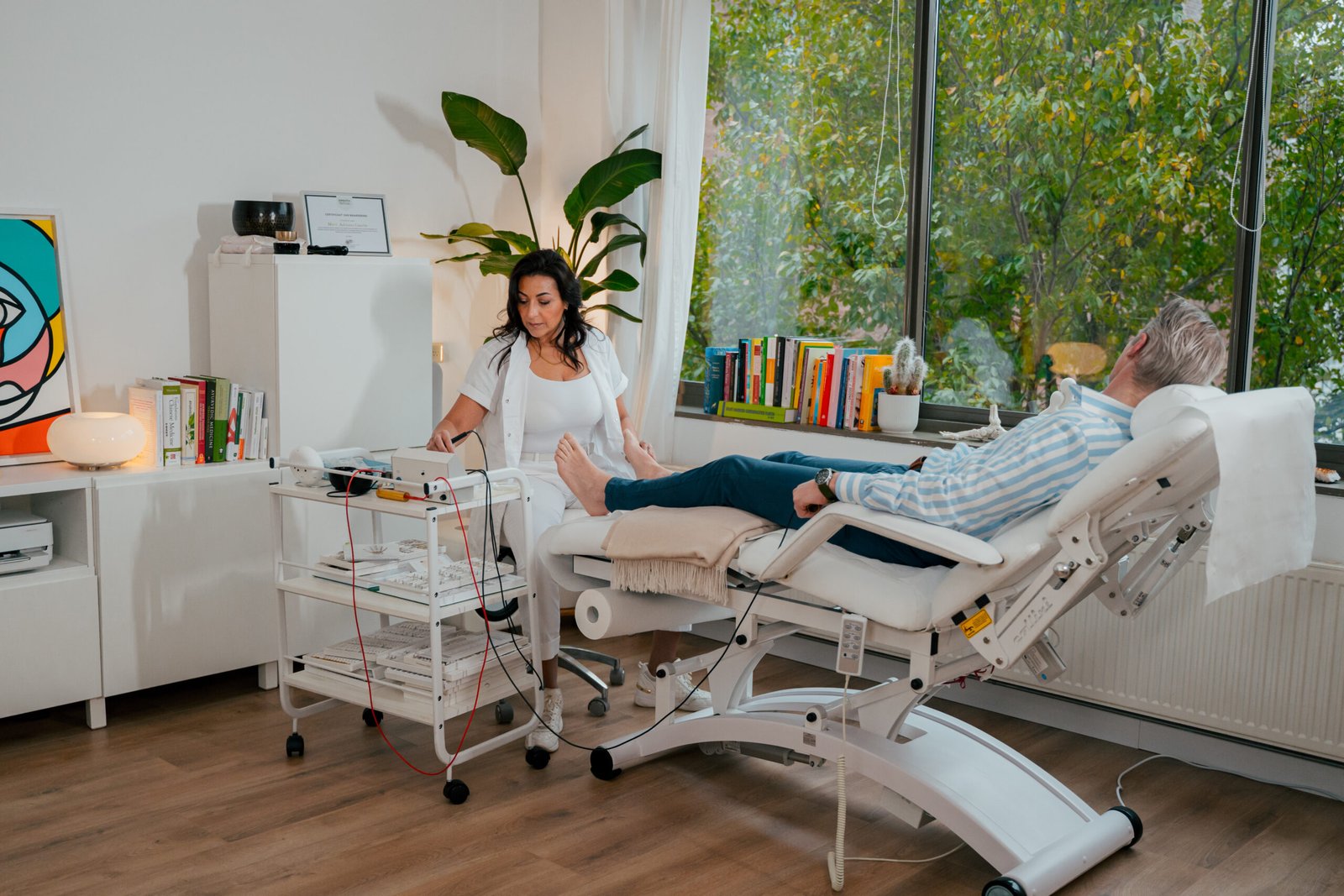
In my practice I take the time the regular system often does not have. In a 90-minute intake I map your whole story: your health before the move, what changed and when, your eating pattern, stress, sleep, cycle and any infections or antibiotics. I combine this with two assessment methods and a food intolerance check:
Electro-Physiological Diagnostics (EPD)
A measurement of the functional state of your organs, to see where your body is under strain.
Pulse & tongue diagnosis
From Traditional Chinese Medicine, which gives an integrated picture of your energy and resilience.
Food intolerance check
I also check for food intolerances and sensitivities, such as lactose, gluten or histamine, which often show up after a move to a new diet.
From this you get a personal plan with nutrition that fits your background and your new life here, targeted supplements, gut and microbiome support and stress regulation. Any treatment from your GP stays exactly as it is. Many clients also combine this with a preventive health check.
5. What you can do yourself, starting today
These steps help protect your expat health in the Netherlands, starting today:
- Register with a GP (huisarts) near your home, even when you feel fine.
- Go outside in daylight every day, ideally in the morning and for at least 15 to 30 minutes.
- Check whether the vitamin D advice of the Dutch Health Council applies to you.
- Keep some of the food from home that suits you, instead of switching completely to bread and dairy.
- Eat at regular times and sit down for lunch instead of eating at your desk.
- Protect your sleep rhythm, also in summer when it stays light until late.
- Build a social network: loneliness is a real stress factor for your body.
- Keep a short diary of your symptoms, food, sleep and cycle for two weeks before your appointment.
6. How to get expat health support in Amsterdam
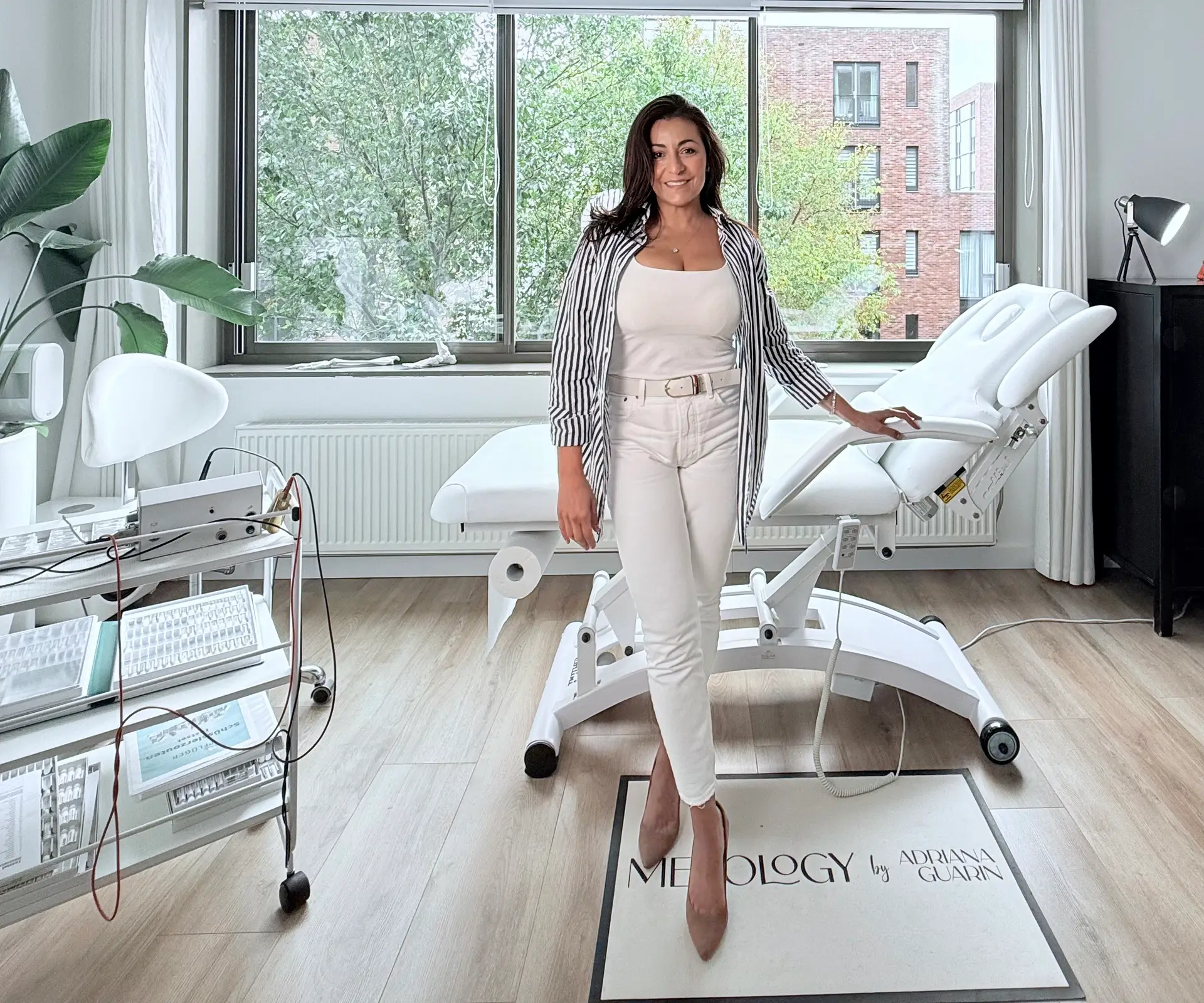
For support with your expat health in the Netherlands, my practice is in IJburg, Amsterdam. You start with a 90-minute intake consultation in English, Spanish or Dutch. No referral is needed. Bring any previous lab results, also from your home country, and a list of your medication and supplements. You leave with a clear, written plan. Follow-up consultations can take place at the practice or by online video. Many supplementary health insurances partly reimburse the consultations; see prices and reimbursement.
Book your expat health intake
Not feeling like yourself since moving to the Netherlands?
Book an intake at Mesology Amsterdam, in English, Spanish or Dutch, and get a personal plan to feel at home in your body again.
Questions
7. Frequently asked questions about expat health
Usually because several changes happen at once: relocation stress, a new diet and eating rhythm, less daylight and vitamin D, disturbed sleep and sometimes a gut infection from travelling. Together they affect digestion, energy, sleep and hormones.
It is very common. A new diet, stress and gut infections while travelling can all change your digestion. About 10% of people develop IBS in the year after a gut infection.
The Dutch Health Council advises extra vitamin D for several groups, such as people who are outside little, people with a darker skin and women over 50. Check whether the advice applies to you, or ask your GP.
No. You can book an intake directly. Your GP stays your first point of contact for medical care, and mesology works alongside it.
Yes. Adriana Guarin consults in English, Spanish and Dutch.
Basic health insurance does not cover mesology, but many supplementary insurances partly reimburse the consultations. Check your policy, or see the overview on Zorgwijzer.

Written by
Adriana Guarin
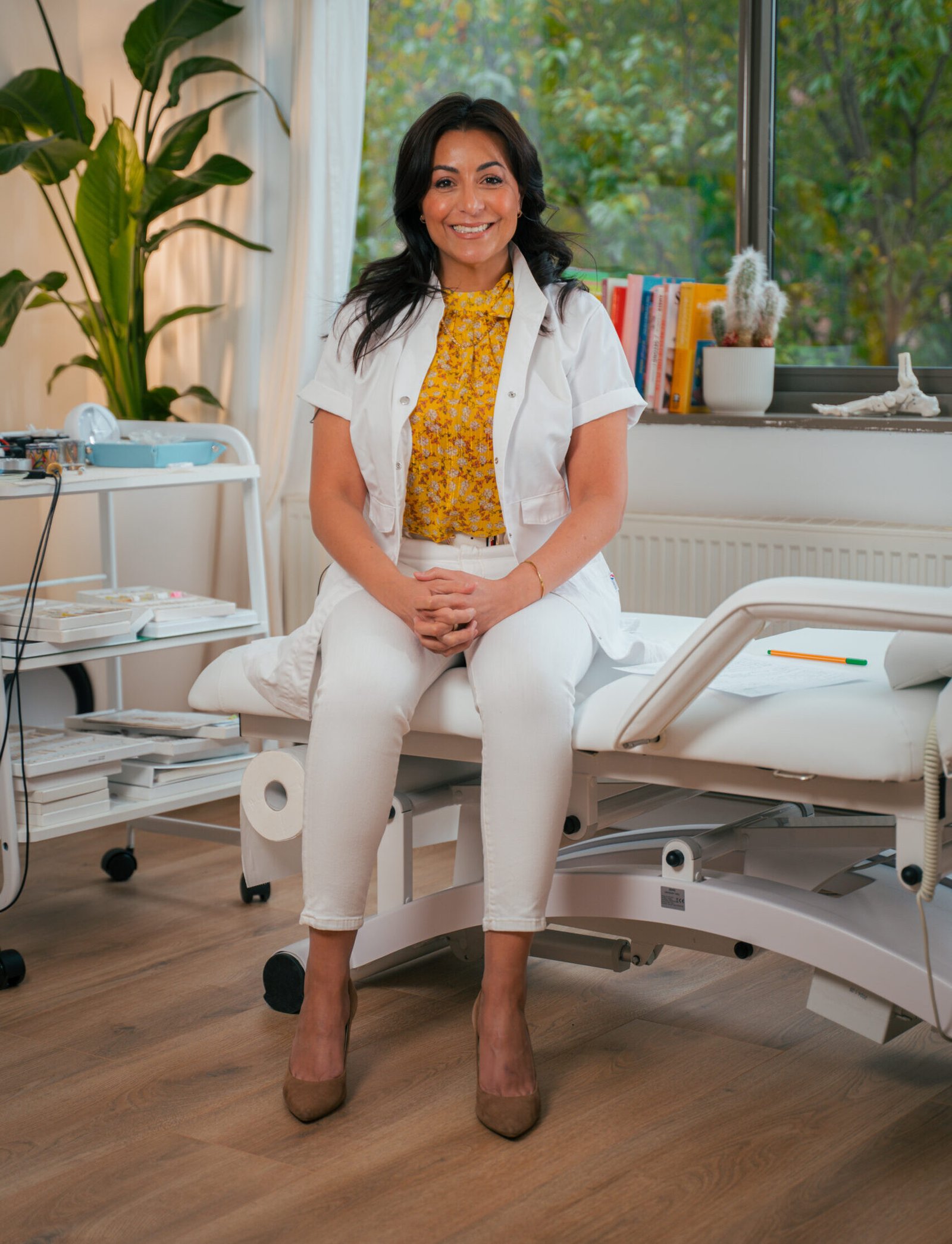
Adriana Guarin is a certified mesologist in Amsterdam. She completed the four-year HBO-level programme at the Academy for Mesology and has practised since 2022, supporting clients with chronic complaints, fertility, hormonal balance, fatigue and gut health. She is a member of the NVVM, VBAG and RBCZ.
Academy for Mesology · HBO | Since 2022 | NVVM | VBAG | RBCZ | AGB Vektis
- Klem F. et al. (2017). Prevalence, risk factors, and outcomes of irritable bowel syndrome after infectious enteritis: a systematic review and meta-analysis. Gastroenterology, 152(5), 1042 to 1054.
- Gezondheidsraad (Health Council of the Netherlands) (2012). Evaluation of the dietary reference values for vitamin D.
- Voedingscentrum: vitamin D advice for the Netherlands
- IamExpat: general practitioners (GPs) in the Netherlands
- Zorgwijzer: reimbursement of mesology by Dutch health insurers
- Leigh S.J. et al. (2023). The impact of acute and chronic stress on gastrointestinal physiology and function: a microbiota–gut–brain axis perspective. Journal of Physiology, 601(20), 4491 to 4538.
- Vangay P. et al. (2018). US immigration westernizes the human gut microbiome. Cell, 175(4), 962 to 972.
- Wicherts I.S. et al. (2011). Sunlight exposure or vitamin D supplementation for vitamin D-deficient non-western immigrants: a randomized clinical trial. Osteoporosis International, 22(3), 873 to 882.
- Thaiss C.A. et al. (2014). Transkingdom control of microbiota diurnal oscillations promotes metabolic homeostasis. Cell, 159(3), 514 to 529.