


Feeling bloated every day is usually caused by a combination of food triggers, slow digestion, a disturbed gut microbiome and stress on the gut and brain connection. It is very common: about 1 in 6 adults worldwide feels bloated at least once a week. Daily bloating is rarely dangerous, but it is a signal worth listening to, and in most cases the cause can be found and improved.
Maybe your stomach is flat in the morning and looks six months pregnant by the evening. Maybe your jeans feel tight after every meal, or you have stopped eating out because you know how you will feel afterwards. At Mesology Amsterdam I see this every week, often in expats who started feeling bloated every day after moving to the Netherlands.
Key takeaways
- Around 18% of adults worldwide feel bloated at least once a week; women report it about twice as often as men.
- Bloating is often not caused by too much gas, but by how sensitive the gut is and how the belly muscles react.
- The 7 most common causes are food triggers, food intolerance, constipation, a disturbed microbiome, stress, hormones and eating habits.
- Weight loss, blood in your stool, fever or new bloating after 50 are reasons to see your GP first.
- An integrative approach looks for the cause behind your bloating instead of only calming the symptom.
1. Why am I bloated every day?
Bloating is the feeling of pressure, fullness or trapped gas in your belly. Distension is when your belly actually becomes visibly bigger. They often come together, but not always.
A large study of more than 51,000 people in 26 countries (the Rome Foundation Global Epidemiology Study, 2023) found that almost 18% of adults feel bloated at least once a week. Women reported it about twice as often as men: 23% against 12%. In people with irritable bowel syndrome (IBS), up to 90% have bloating.
What surprises most people: research from the Mayo Clinic shows that during an episode of bloating, scans find more gas in the gut in only about a quarter of patients. That is why simply avoiding beans rarely solves it.
For many people the problem is not the amount of gas, but a gut that is extra sensitive, digestion that moves too slowly, or a reflex where the diaphragm pushes down and the belly wall relaxes.
Google reviews


 Trustindex verifies that the original source of the review is Google.
 Trustindex verifies that the original source of the review is Google.
 Trustindex verifies that the original source of the review is Google.
 Trustindex verifies that the original source of the review is Google.
 Trustindex verifies that the original source of the review is Google.
 Trustindex verifies that the original source of the review is Google.
 Trustindex verifies that the original source of the review is Google.
 Trustindex verifies that the original source of the review is Google.
 Trustindex verifies that the original source of the review is Google.
 Trustindex verifies that the original source of the review is Google.
Book your intake
90-minute intake in Amsterdam. No referral needed. English, Spanish or Dutch.
Registered with


AGB register of Vektis · partially reimbursed
2. 7 common causes of feeling bloated every day
These are the seven causes I see most often when someone feels bloated every day. In most people, two or three of them play a role at the same time.
Food triggers and FODMAPs
Some carbohydrates are poorly absorbed in the small intestine and are fermented by bacteria in the large intestine. Wheat, onion, garlic, apples, pears, legumes and sweeteners such as sorbitol are typical examples. In a 2022 analysis of 13 trials, a low FODMAP diet relieved bloating better than standard dietary advice.
A disturbed gut microbiome
Antibiotics, a stomach infection or food poisoning can change your gut bacteria for months. Sometimes bacteria grow in the small intestine where they do not belong (SIBO). After a gut infection, about 1 in 10 people develops IBS within a year.
Eating habits
Eating fast, eating on the go, chewing gum, fizzy drinks and large late meals all add swallowed air and put extra pressure on digestion.
Food intolerance
Lactose intolerance, fructose malabsorption and histamine intolerance can all make you feel bloated every day. See also food intolerance support.
Stress and the gut and brain connection
Stress, poor sleep and anxiety make the gut more sensitive, so normal amounts of gas suddenly feel painful. One of the most underestimated causes of bloating. A 2023 review describes how stress changes gut sensitivity, the gut barrier and the microbiome.
Constipation and slow digestion
When stool moves slowly, gas gets trapped and fermentation goes on for longer. Many people still go to the toilet every day, just not completely.
Hormones and your cycle
Many women are more bloated in the days before their period, because of water retention and the effect of progesterone on gut movement. A meta-analysis found that women with and without IBS report more gut symptoms during their period.
3. When should you see a doctor about bloating?
Daily bloating is usually harmless, but some signs need a medical check first. In the Netherlands your first step is your GP (huisarts).
When your GP has ruled out a serious cause and you still feel bloated every day, an integrative approach can help.
See your GP first if your bloating comes with
- Unexplained weight loss
- Blood in your stool or black stools
- Persistent vomiting or fever
- Anaemia or extreme tiredness
- Bloating that is new and persistent after the age of 50
- A family history of bowel cancer, ovarian cancer or coeliac disease
4. How I look at daily bloating as a mesologist
In the regular system, bloating is often treated as one symptom with one solution. In my practice I look at the whole person, because bloating is almost always the result of several factors together.
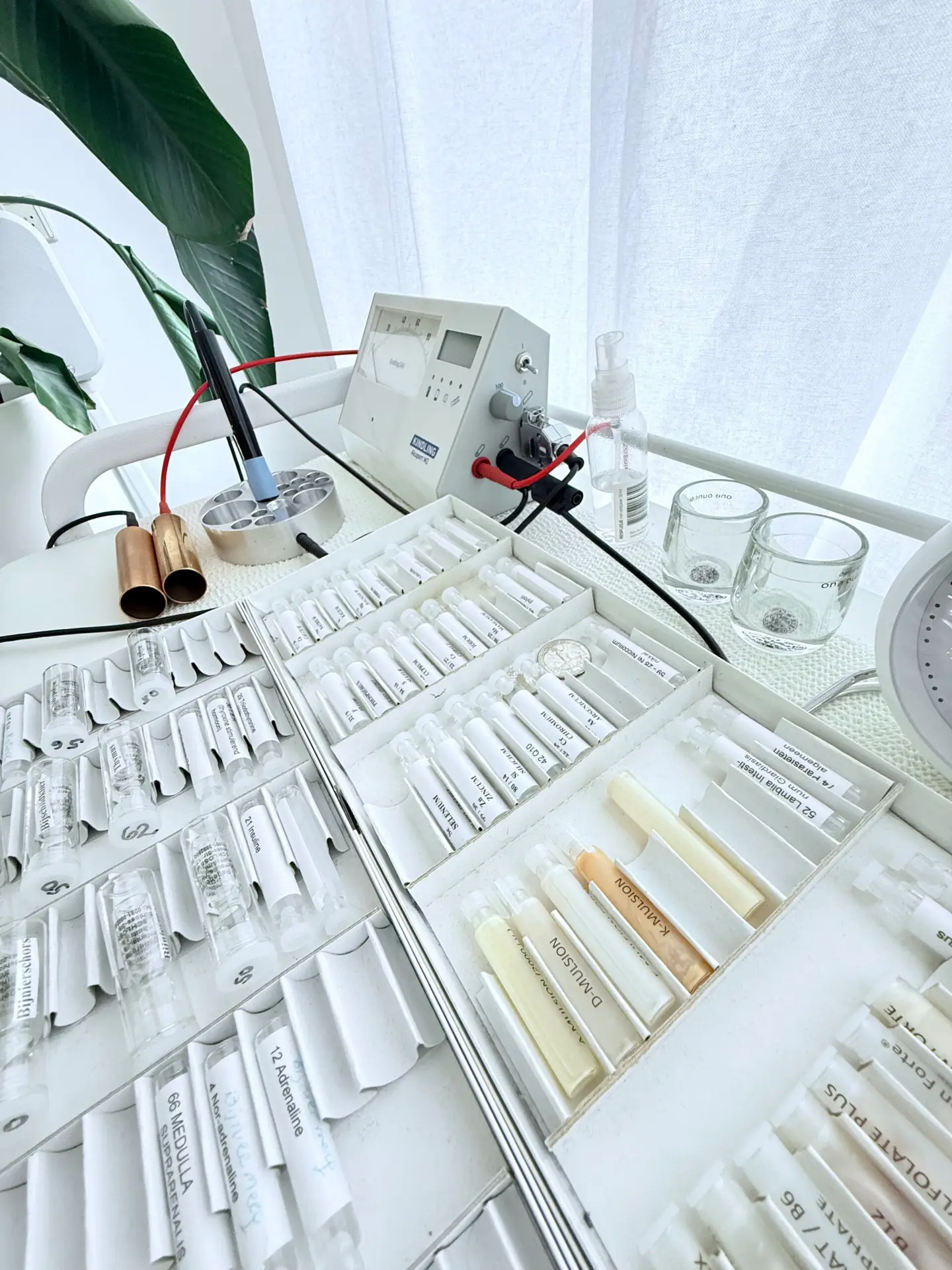
In a 90-minute intake I map your story: when the bloating started, what makes it better or worse, your eating pattern, stress, sleep and cycle. I combine this with two assessment methods and a food intolerance check:
Electro-Physiological Diagnostics (EPD)
A measurement of the functional state of your digestive organs, to see where your body is under strain.
Pulse and tongue diagnosis
From Traditional Chinese Medicine, which gives an integrated picture of your digestion and resilience.
Food intolerance check
I also check for food intolerances and sensitivities, such as lactose, gluten or histamine, that can cause or worsen daily bloating.
Based on this you get a personal plan with nutrition, targeted supplements, gut and microbiome support and stress regulation. Any treatment from your GP or specialist stays exactly as it is. Read more about what mesology is.
For expats in Amsterdam
5. Bloated every day since moving to Amsterdam?
Many of my clients are expats who never had gut problems at home. A new diet with more bread, dairy and quick lunches, a different rhythm, the stress of a new job and a new country, and less daylight in winter can all affect digestion. Add a GP who says your tests are normal, and many people simply learn to live with it.
You do not have to. I consult in English, Spanish and Dutch, and I often work with expats who want someone to take the time to find the cause. See expat health care in Amsterdam.

6. What you can do yourself, starting today
Some steps help almost everyone who feels bloated every day:
- Eat slowly, sit down for meals and chew well.
- Keep a simple food and symptom diary for two weeks, including your stress level and cycle.
- Limit fizzy drinks, chewing gum and sweeteners such as sorbitol and xylitol.
- Make your largest meal lunch, not dinner, and stop eating two to three hours before bed.
- Walk for ten to fifteen minutes after meals to help digestion move.
- Drink enough water and build up fibre slowly instead of all at once.
- Build in daily moments of rest, such as breathing exercises, to calm the gut and brain connection.
Avoid cutting out whole food groups on your own for a long time. Strict diets without guidance can make you more sensitive, not less.

7. How to get help for daily bloating in Amsterdam
You start with a 90-minute intake consultation at my practice in Amsterdam, in English, Spanish or Dutch. No referral is needed. Bring any previous lab results, and if you can, your food and symptom diary. You leave with a clear, written plan. Follow-up consultations usually take place every few weeks. See prices and reimbursement.

Book your gut health intake
Feeling bloated every day, or tired of being told everything is normal?
Book an intake at Mesology Amsterdam and get a personal plan to find and treat the cause of your bloating.
Questions
8. Frequently asked questions about daily bloating
It is common, but not something you have to accept. About 18% of adults feel bloated at least once a week. Daily bloating is usually a sign that digestion, the microbiome or the gut and brain connection is out of balance, and in most cases this can be improved.
During the day food, fermentation and swallowed air build up, and the gut becomes more sensitive with stress and tiredness. This pattern is typical for functional bloating and food triggers, and usually not a sign of a serious condition.
Yes. Stress makes the gut more sensitive and slows or speeds up digestion through the gut and brain connection. Many people notice their bloating is worse on busy work days and better on holiday.
Yes. Lactose intolerance, fructose malabsorption and histamine intolerance are common causes of daily bloating. A food and symptom diary helps to find the link.
See your GP first if bloating comes with unexplained weight loss, blood in your stool, persistent vomiting, fever, anaemia, or if it is new and persistent after the age of 50.
Basic health insurance does not cover mesology, but many supplementary insurances partly reimburse the consultations. Check your policy, or see the overview on Zorgwijzer.

Written by
Adriana Guarin
Adriana Guarin is a certified mesologist in Amsterdam. She completed the four-year HBO-level programme at the Academy for Mesology and has practised since 2022, supporting clients with chronic complaints, fertility, hormonal balance, fatigue and gut health. She is a member of the NVVM, VBAG and RBCZ.
Academy for Mesology · HBO | Since 2022 | NVVM | VBAG | RBCZ | AGB Vektis
- Ballou S. et al. (2023). Prevalence and associated factors of bloating: results from the Rome Foundation Global Epidemiology Study. Gastroenterology, 165(3), 647 to 655.
- Lacy B.E., Cangemi D. & Vazquez-Roque M. (2021). Management of chronic abdominal distension and bloating. Clinical Gastroenterology and Hepatology, 19(2), 219 to 231.
- Cangemi D.J. & Lacy B.E. (2022). A practical approach to the diagnosis and treatment of abdominal bloating and distension. Gastroenterology & Hepatology, 18(2).
- Pimentel M. et al. (2020). ACG clinical guideline: small intestinal bacterial overgrowth. American Journal of Gastroenterology, 115(2), 165 to 178.
- Whitehead W.E. et al. (2016). Red flag symptoms in functional gastrointestinal disorders: a Rome Foundation working team report. Clinical Gastroenterology and Hepatology, 14(10), 1386 to 1394.
- Zorgwijzer: reimbursement of mesology by Dutch health insurers
- Black C.J., Staudacher H.M. & Ford A.C. (2022). Efficacy of a low FODMAP diet in irritable bowel syndrome: systematic review and network meta-analysis. Gut, 71(6), 1117 to 1126.
- Klem F. et al. (2017). Prevalence, risk factors, and outcomes of irritable bowel syndrome after infectious enteritis: a systematic review and meta-analysis. Gastroenterology, 152(5), 1042 to 1054.
- Leigh S.J. et al. (2023). The impact of acute and chronic stress on gastrointestinal physiology and function: a microbiota–gut–brain axis perspective. Journal of Physiology, 601(20), 4491 to 4538.
- Adeyemo M.A., Spiegel B.M. & Chang L. (2010). Meta-analysis: do irritable bowel syndrome symptoms vary between men and women? Alimentary Pharmacology & Therapeutics, 32(6), 738 to 755.