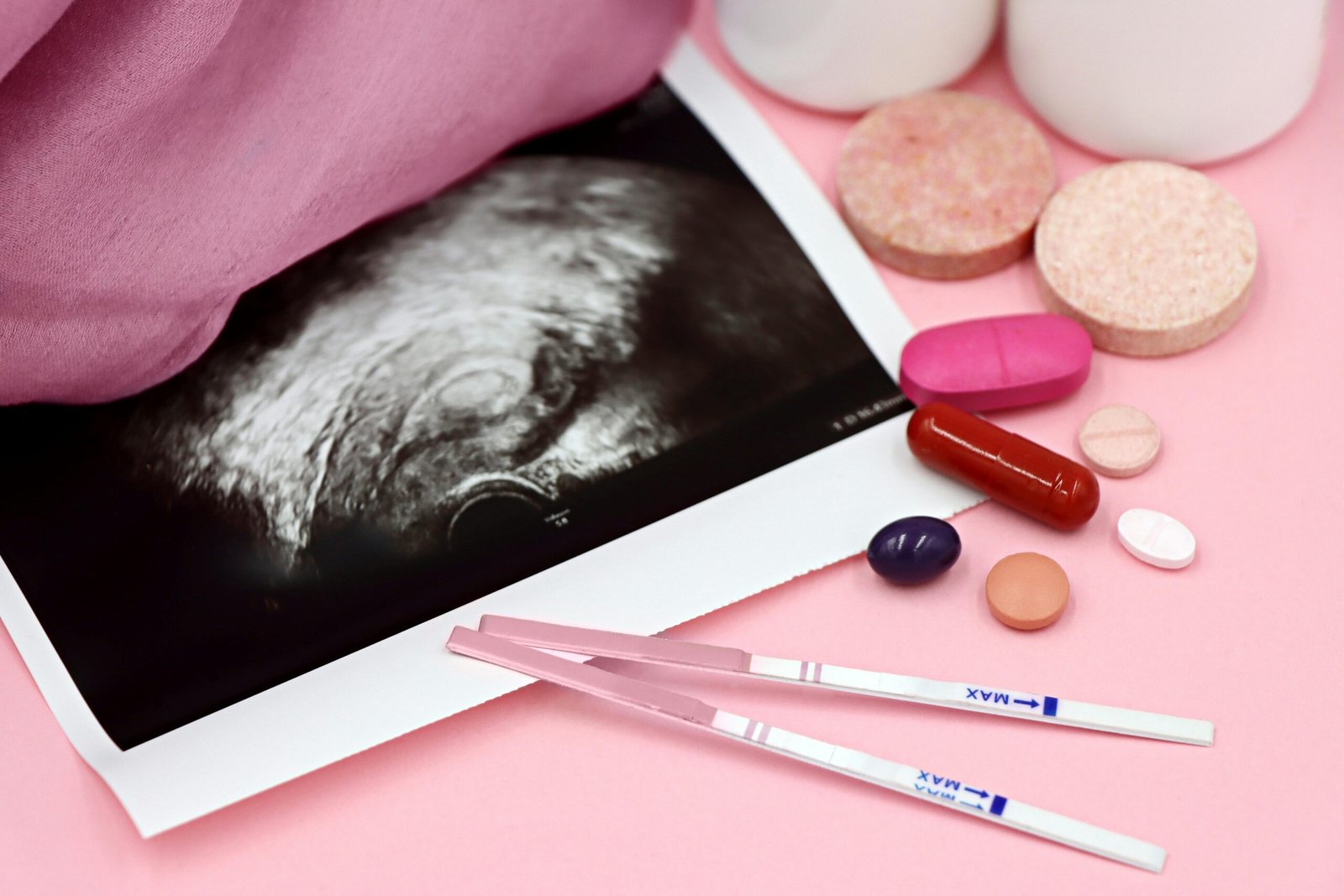

Female subfertility means reduced fertility in a woman: no pregnancy after 12 months of regular, unprotected intercourse, while it has not been shown that pregnancy is impossible. It affects about one in six couples at some point. The main causes are ovulation problems, damage to the fallopian tubes, factors in the womb, lifestyle and age, and in about a quarter of couples no clear cause is found.
Not getting pregnant when you really want to can feel confusing, unfair and very lonely. Many women are told to “just relax” or “give it time”, while their intuition says something else is going on. At Mesology Amsterdam I offer female fertility support for women who want to conceive, whether you are just starting, have been trying for a while, or are already in fertility treatment.
Key takeaways
- Female subfertility means no pregnancy after a year of trying, while pregnancy is still possible.
- About one in six couples deals with subfertility at some point in their lives.
- Ovulation and cycle problems, such as PCOS, are among the most common causes.
- Age matters: the chance of conceiving per cycle drops noticeably after 35.
- Integrative care can support your body alongside your GP, gynaecologist or fertility clinic.

~ What is female subfertility?
The World Health Organization speaks of infertility when a couple has not achieved pregnancy after 12 months of regular, unprotected intercourse. Dutch doctors usually use the word subfertility: reduced fertility, as long as it has not been proven that pregnancy is impossible.
Female subfertility covers a wide range of conditions that lower the chance of becoming pregnant, including genetic, hormonal, anatomical, lifestyle, psychological, immune and environmental factors. Doctors distinguish between:
- Primary subfertility: you have never been pregnant, despite trying for some time.
- Secondary subfertility: you have been pregnant before, whether that ended in a birth, a miscarriage or a termination, but now pregnancy does not happen.
Subfertility does not mean you can never have children. It means your fertility is lower than expected, and that it is worth looking for underlying reasons and supportive options.
~ How common is female subfertility?
Worldwide, about one in six couples deals with subfertility, and female subfertility plays a role in many of them at some point in their lives. Roughly speaking:
- part of these couples still conceive naturally over time;
- about 5% of all couples remain involuntarily childless;
- the chance of staying childless is lower when you start trying before 30, and higher when you start after 35.
Age and fertility
Age is one of the strongest factors in female subfertility: fertility naturally declines with age. Around 35, the chance of conceiving per cycle is already clearly lower than at 25, and by 40 it is much lower again, even with regular cycles and normal ovulation. Age is therefore an important factor in both medical and integrative fertility care.
~ 5 main causes of female subfertility
1. Ovulation and cycle disorders
Ovulation problems are one of the most common causes of female subfertility. They include:
- PCOS: irregular or absent ovulation, raised male hormones, many follicles on ultrasound and often insulin resistance.
- Functional hypothalamic amenorrhoea: stress, eating too little, excessive exercise or low body weight suppress the hormonal signals for ovulation.
- Thyroid disorders: both an underactive and an overactive thyroid can disrupt cycles and ovulation.
- Raised prolactin: can interfere with ovulation and the second half of the cycle.
- Luteal phase problems: too little progesterone, or a short second half of the cycle, may hinder implantation.
2. Fallopian tubes and the pelvis
The fallopian tubes pick up the egg, provide the place for fertilisation and carry the embryo to the womb. Damage, blockage or adhesions can greatly reduce the chance of pregnancy. Common causes are pelvic infections (often after chlamydia, sometimes without symptoms), endometriosis and earlier abdominal or pelvic surgery. Tubal problems also raise the risk of an ectopic pregnancy.
3. The womb and cervix
Congenital differences in the shape of the womb, fibroids that change the cavity or blood flow, and scarring of the womb lining can affect implantation and carrying a pregnancy. Unfavourable cervical mucus can also play a role in some couples.
4. Lifestyle and general health
Smoking, alcohol and drugs are linked to lower fertility and a higher risk of miscarriage. Underweight and overweight can disrupt hormones, ovulation and implantation. Insulin resistance, autoimmune conditions such as thyroid disease, and exposure to certain chemicals and hormone disruptors can also play a role. These factors often interact with each other.
5. Unexplained subfertility
In roughly a quarter to a third of couples, all standard tests in both partners are normal, yet pregnancy does not happen. This does not mean there is no cause, but that routine tests cannot detect it. Often there are subtler issues in hormone regulation, egg quality, the womb lining, immune balance, the microbiome or general health.
~ Female subfertility care in the Netherlands: from GP to IVF
Step 1: your GP
Your GP asks how long you have been trying, about your cycle, earlier pregnancies, infections, surgery, pelvic pain and lifestyle, and does a physical examination. After 12 months without pregnancy, or sooner when there are clear risk factors or you are over 35, the GP arranges blood tests and refers you to a gynaecologist.
Step 2: the gynaecologist and fertility clinic
Further tests may include hormone tests (such as FSH, LH, AMH, prolactin and thyroid), a transvaginal ultrasound, chlamydia antibody testing and an HSG or laparoscopy to check the fallopian tubes and look for endometriosis.
Step 3: treatment
- Waiting a while longer, when the chance of a natural pregnancy is still reasonable.
- Ovulation induction with medication when ovulation does not happen.
- IUI, often for unexplained subfertility or a mild male factor.
- IVF or ICSI, for tubal problems, a more severe male factor, or when other treatments have not worked.
Medical treatment for female subfertility is very valuable, but it does not always address digestion, inflammation, stress, nutrient status or the microbiome. This is where integrative care can complement the medical pathway. Read more about IVF and IUI support.
~ How Mesology Amsterdam supports women with female subfertility
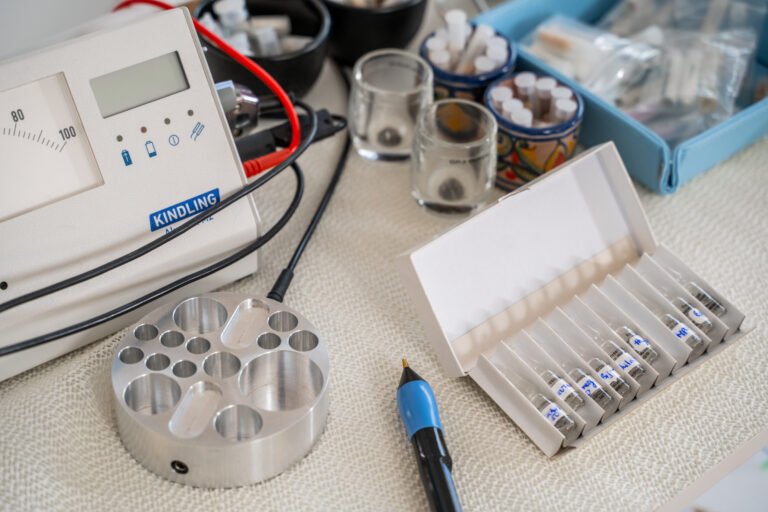
Mesology combines regular medical knowledge with orthomolecular medicine, Ayurveda, Traditional Chinese Medicine, herbal medicine and homeopathy. Instead of looking at the womb and ovaries in isolation, I look at your body as a connected whole.
1. A thorough intake of 90 minutes
We go through your fertility journey so far, your cycle in detail (length, symptoms, signs of ovulation, PMS, pain and bleeding), digestion, energy, sleep, mood and stress, your wider health history, lifestyle and current supplements or medication.
2. Mesological assessment
With mesological testing methods and clinical reasoning, I assess digestion and absorption, liver function, blood sugar, the hormonal system (ovaries, thyroid, adrenals), inflammation and the stress response. I also use frameworks from Traditional Chinese Medicine and Ayurveda to understand your constitution.
3. A personal treatment plan
For female subfertility, your plan may include nutrition to support hormone balance, egg quality, the womb lining and the microbiome; adjustments to sleep, stress, movement and daily rhythm; targeted supplements and herbal support where useful; and guidance on cycle tracking and timing.
This does not replace your GP or gynaecologist. Wherever possible, I work alongside your medical team, so that everything reinforces each other.
~ When is it useful to book an appointment?
Consider an integrative consultation for female subfertility if you:
- have been trying to conceive for 12 months or longer without success
- have been diagnosed with PCOS, endometriosis, thyroid problems or unexplained subfertility
- are about to start, or are already in, an IUI, IVF or ICSI trajectory and want to support your body
- feel your cycle, digestion, energy or stress levels are out of balance
- are looking for a holistic, yet grounded approach with room for both science and tradition
Your partner matters too: read about male fertility and sperm quality.
Book your first appointment
Would you like a clear, whole-person view of your fertility, beyond hormone levels and scans?
Book an integrative fertility consultation at Mesology Amsterdam and explore how we can support your body and cycle on your path to pregnancy.
What you can expect from a first intake
Ninety minutes, in my practice in Amsterdam. I map your story, look at your previous tests and results, and do a pulse, tongue and EPD assessment. You leave with a clear, written plan, in English, Spanish or Dutch.
Frequently ~
Asked Questions
Questions ~
Female subfertility means reduced fertility in a woman: no pregnancy after 12 months of regular, unprotected intercourse, while it has not been shown that pregnancy is impossible.
After 12 months of trying without success, or after 6 months if you are 35 or older. See your GP sooner if you have irregular or absent periods, known endometriosis or PCOS, or earlier pelvic infections.
Ovulation problems such as PCOS, damaged or blocked fallopian tubes, endometriosis, factors in the womb, age and lifestyle. In about a quarter to a third of couples no clear cause is found.
Often lifestyle helps: a healthy weight, a Mediterranean-style diet, no smoking or alcohol, enough sleep and less stress support hormone balance and egg quality. Integrative care can add a personal plan alongside medical treatment.
No. Mesology is complementary. It works alongside your GP, gynaecologist or fertility clinic, and all prescribed treatments stay as they are.
No. You can book an intake directly, in English, Spanish or Dutch. Many supplementary health insurances partly reimburse the consultations.
References
- World Health Organization: Infertility fact sheet
- NICE guideline CG156: Fertility problems: assessment and treatment.
- NVOG guideline: Oriënterend fertiliteitsonderzoek (Dutch fertility investigation guideline).
- ESHRE (2023). Evidence-based guideline: unexplained infertility.
- ACOG Committee Opinion No. 589 (2014). Female age-related fertility decline.